- Presentation
- Research
- REGARN : Regulatory non-coding RNAs in root plasticity
- ChromD : Chromosome Dynamics
- SILAB : Signaling pathways regulating Legume root system Architecture through Beneficial bacteria
- Qlab : Plant Quantitative Genomics and Epigenomics
- FLOCAD : Flower and Carpel Development
- CCARS : Climate Change & Redox Signaling
- STRESS : Stress signaling
- MetaboActions : Signaling, regulation and metabolic interactions
- DPHYS : Department Physiology and signaling
- GDYNPATH: Genome Dynamics and Pathogen Resistance
- SYMUNITY: Symbiosis and Immunity
- OGE: Organellar gene expression
- GNet : Genomic Networks
- GUILLOTIN Lab
- Teaching
- Platforms
- Databases

Presentation of the Institute of Plant Sciences of Paris-Saclay (IPS2)
Director : Florian Frugier
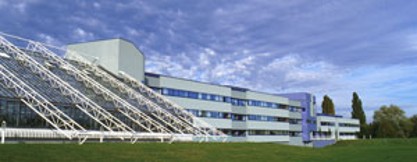
At IPS2, we aim to better understand the genetic and molecular mechanisms that control plant growth and how these are regulated by endogenous and exogenous signals of biotic (symbiotic and pathogenic) and abiotic origin, particularly in relation to climate change (heat, drought, elevated CO2 levels, etc.). These mechanisms are analyzed in an integrated manner, ranging from the cellular and organ levels to the whole plant.
The research focuses on three main axes addressing major societal challenges such as climate change and sustainable agriculture. We aim to drive innovation in the key fields of generating new genetic traits in plants, developing biological alternatives to agricultural chemicals, and improving plant breeding through genomics. Each axis is led by a pair of principal investigators who coordinate its scientific direction.

Axis 1: Climate Change and Plant Resilience

Axis 2: Chromatin Organization and Dynamics

Axis 3: Signaling and Development

IPS2 belongs to the Saclay Plant Sciences (SPS) network that gather around 60 research teams specialized in plant sciences belonging to 6 institutes in the Paris area, representing more than 750 people. SPS is coordinated by the Université Paris-Saclay.
We also promote that IPS2 teams generate innovative projects in interaction with industrial partners and technical institutes, and host different start-ups, to contribute to the future of agriculture.
